July–August
Mild temperatures; 10°C to 18°C
High
Official climbing season provides full access to trails and visitor facilities.
Stand at 2,305 metres on Japan's most famous volcano, where the paved road ends and the Yoshida Trail begins.
Explore AttractionsMount Fuji has been closed to women for most of its recorded history — the ban on female pilgrims above the lower stations held until 1872, when it was lifted by imperial decree.
That fact tells you what the mountain was before it became a viewpoint: not scenery, but a sacred object approached on foot, in white robes, by men who had purified themselves at the base.
The Fuji Subaru Line changed the arithmetic. Opened in 1964 and cut through the beech and larch of the Aokigahara flank, the road delivers visitors to 2,305 metres in under an hour of driving, bypassing the four stations below. What was once a two-day pilgrimage became an afternoon. This is why mt fuji 5th station tours dominate the region's visitor economy — they compress a devotional route into a manageable window. Komitake Shrine still stands where the road ends, its torii weathered by wind that carries volcanic grit rather than dust.
Today the terrace is a study in contrasts. Souvenir halls sell melon bread and wooden walking staffs branded at each station above. Fifty metres away, the Yoshida Trail begins its switchbacks toward the crater rim and the Sengen Okumiya at the summit. Cloud arrives without warning and departs the same way. The site's private tours suit those who want the mountain unhurried; the Hakone combo pairs the volcano with the caldera lake and sulphur vents at Owakudani; the Tokyo day trips serve travellers with one free morning and a long list. Each mt fuji 5th station tours itinerary answers a different question about how much mountain a person wants.
The destination suits the curious more than the comfortable. Those seeking a Fuji-san sightseeing tour will find the altitude genuinely felt — thinner air, ten degrees colder, weather that ignores forecasts. Anyone shopping for mt fuji 5th station tours tickets should understand that the summit is not included; the terrace is the destination, and it is enough. Hikers wanting a mt fuji 5th station tours tour with trail time will find the first hour of the Yoshida route open to them. Families and photographers find their own reasons. What unites them is a mountain that refuses to be casual — the reason mt fuji 5th station tours tours keep filling, decade after decade, is that the thing itself has never been diminished by the road.
“The road made an afternoon of what was once a two-day pilgrimage — and the mountain has not been diminished by it.”
The Fuji Subaru Line climbs to 2,305 metres, ending at a terrace that often looks down onto cloud rather than up at it.
A small Shinto shrine and weathered red torii mark the boundary between ordinary ground and the sacred upper mountain.
The most-used route to the summit begins here, giving day visitors a genuine sense of the climb without committing to it.
Every tour on this site ends at the same place — the Subaru Line 5th Station, 2,300 metres up Mt Fuji, where the treeline breaks and the crater rim sits directly overhead. What differs is the shape of the day around it. Choose by how much of your time you want to give the mountain: a vehicle and guide answering only to you, a paired volcanic-and-lakeside circuit, or a single tight loop out of the capital and back the same evening.
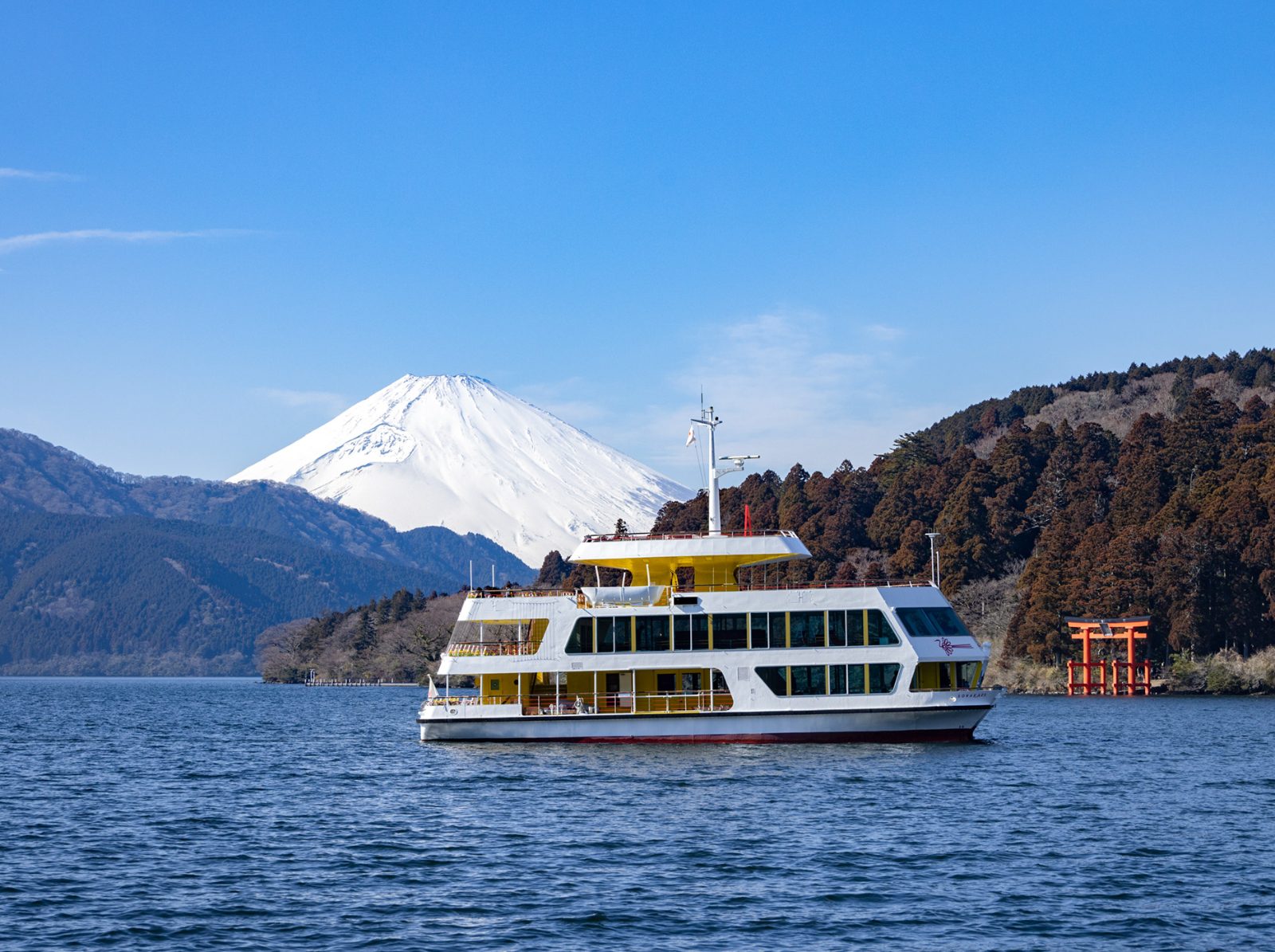
Pairs the alpine 5th Station with Hakone below — Lake Ashi cruise decks, the Owakudani sulphur vents and black eggs, two very different views of the same volcano.
 Day Trip
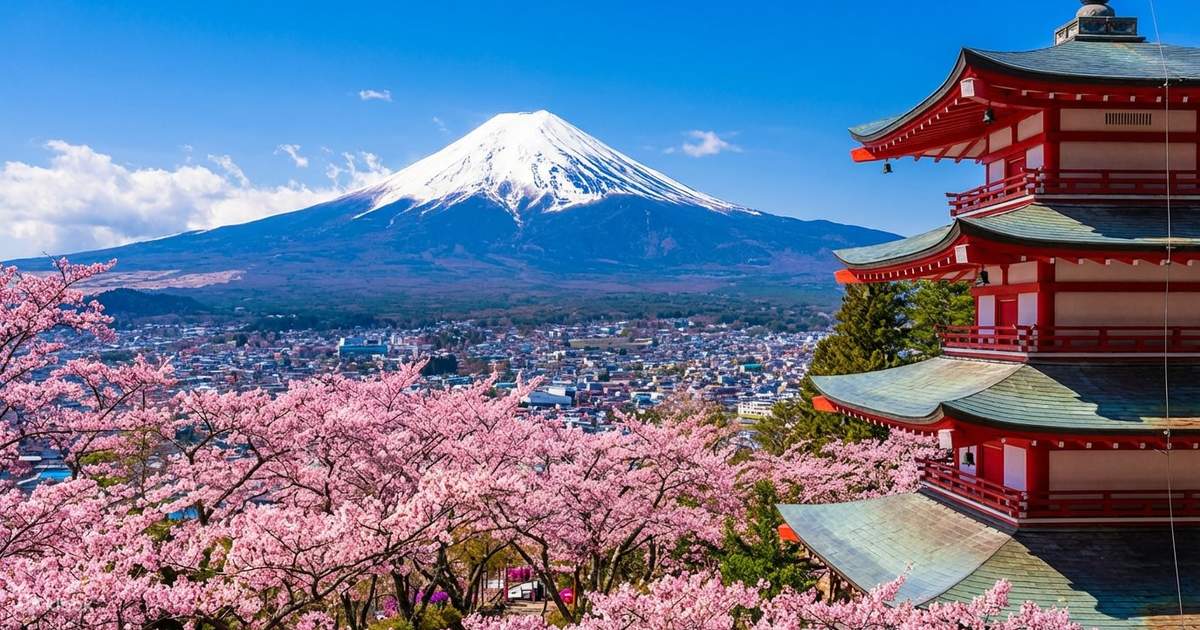
Round-trip from central Tokyo in a day: roughly 2h 45m each way, leaving several hours at 2,300m for the shrine, souvenir halls and thin-air overlook.
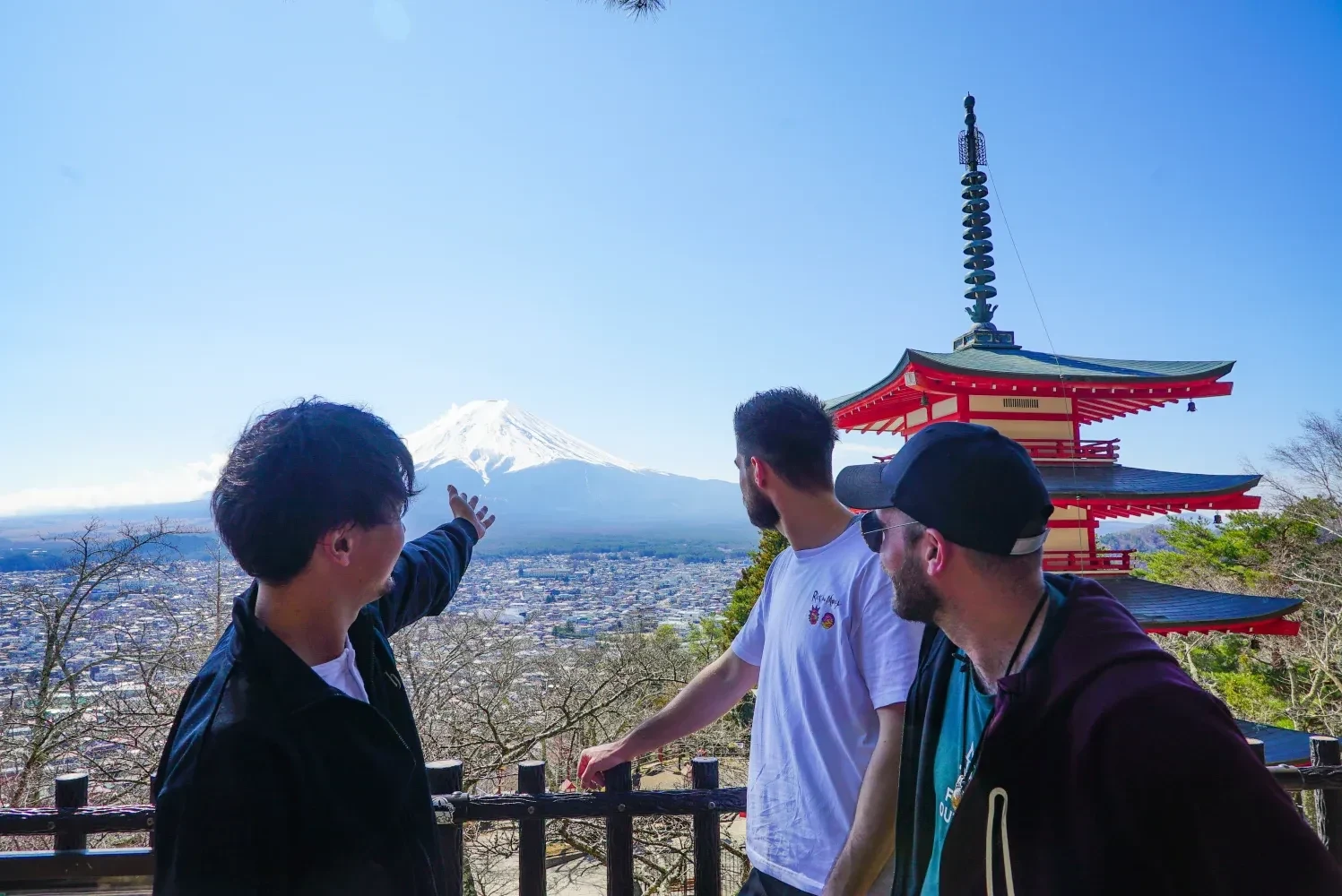
Your own driver and English-speaking guide, so you set the pace at Komitake Shrine, the summit trailhead marker and the observation deck rather than waiting on a coach roll-call.
The 5th Station works two very different ways: as a half-day stop on a Tokyo loop, or as the staging point for an overnight push to the summit. Both plans below start from the same drop-off at 2,300m and diverge from there. Costs and transfers quoted are the standard Fujikyuko Bus and chartered options in JPY (¥).
Step off the bus at 2,300m and give yourself 30-40 minutes standing still before walking anywhere, since the altitude change from sea level is abrupt. Confirm your return departure time at the terminal window on arrival.
A ten-minute paved walk from the terminal to the shrine and its cedar-lined approach, roughly 45 minutes round trip at an easy pace. Wear a windproof layer; the temperature here runs well below Tokyo's year-round.
Sit-down noodles or curry in the terminal complex runs ¥1,000-¥2,000, with coffee around ¥400. Queues peak between 12:00 and 13:30 when tour coaches cluster.
Pair the morning with Lake Ashi and the ropeway on a combined loop, or return direct on the Shinjuku service at ¥4,800 single. Decide before you board, as the two routes leave from different bays.
View guideAllow roughly 2h 45m back toward Haneda (¥2,900-¥4,800) or a similar window into Shinjuku. Build in a 30-minute buffer for weekend traffic on the descent.
View guideArrive by late morning and spend two to three hours eating, hydrating and repacking before you set foot on the trail. Buy any missing gloves, headlamp batteries or a walking stick here; there is nothing above.
Five to seven hours of steady climbing on the Yoshida Trail to your booked mountain hut. Start no later than 14:00 so you reach the hut before dark.
Dinner and a few hours of sleep on a shared platform, with a wake-up call around 01:00 for the summit push. Reserve months out; the huts operate only during the July-August climbing season.
Groups carrying heavy packs or arriving outside bus hours usually book a chartered car, priced by route and duration. Arrange the pickup point for your descent day before you start climbing.
View guideNavigating to the Mt. Fuji 5th Station primarily relies on specialized bus networks and strictly regulated road access. Visitors should plan for vehicle restrictions during the official climbing season.
The Fujikyuko Bus provides direct services to the 5th Station from major hubs like Shinjuku. Use the Japan Transit Planner app to confirm schedules and line numbers for your specific departure point.
Chartered taxi services are available for those preferring private transport to the 5th Station. Costs vary by route and duration, so verify rates with the provider before departure.
Walking is restricted to established trails once at the 5th Station. During the official climbing season, hikers must follow marked paths and obey signage.
From the airport: From HND, take a bus to Mt. Fuji 5th Station, which takes ~2h 45m and costs ¥2,900–¥4,800. From NRT, transfer via train or bus through Shinjuku, taking ~4h at a cost of ¥5,000–¥7,000.
The best time for Mt. Fuji 5th Station tours is during the official climbing season from July to August, when facilities are fully operational and weather conditions are most stable. Outside of this peak window, access remains possible for sightseeing, though high-altitude temperatures remain cool year-round.
Official climbing season provides full access to trails and visitor facilities.
Climbing season concludes mid-month with fewer crowds and thinning services.
Sightseeing remains accessible by road, though winter closures may begin.
Access to the 5th station depends on road snow conditions.
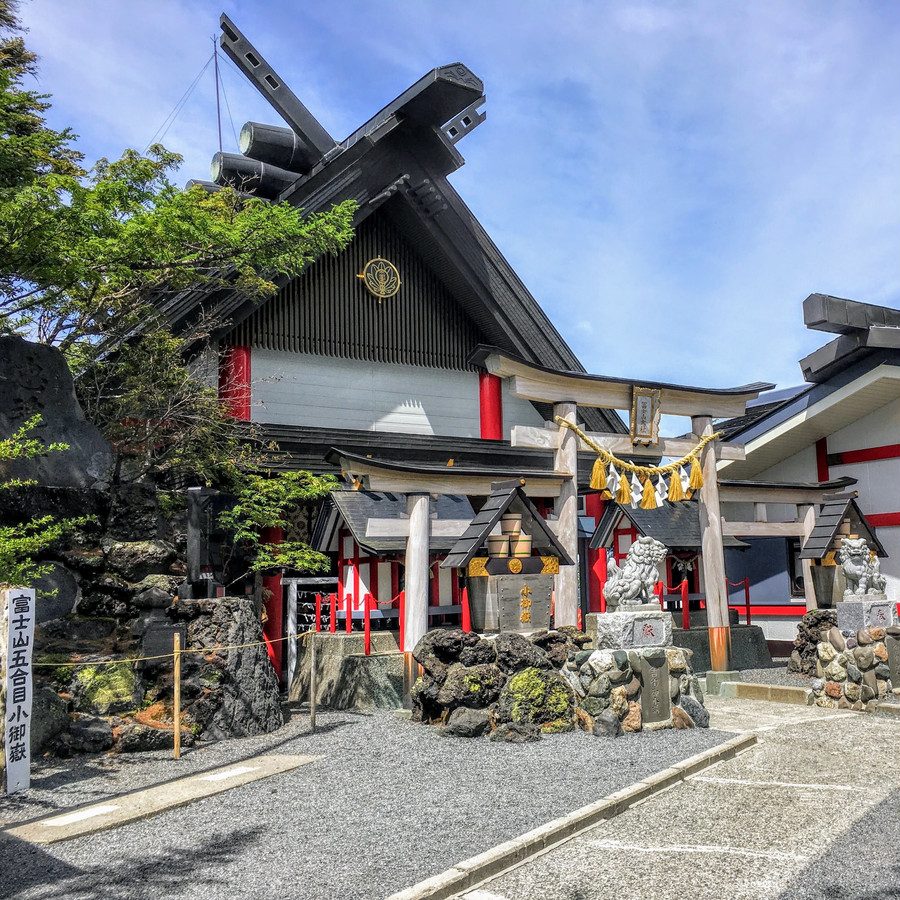
Capture the shrine architecture framed against the mountain slope, located a short walk from the main plaza.
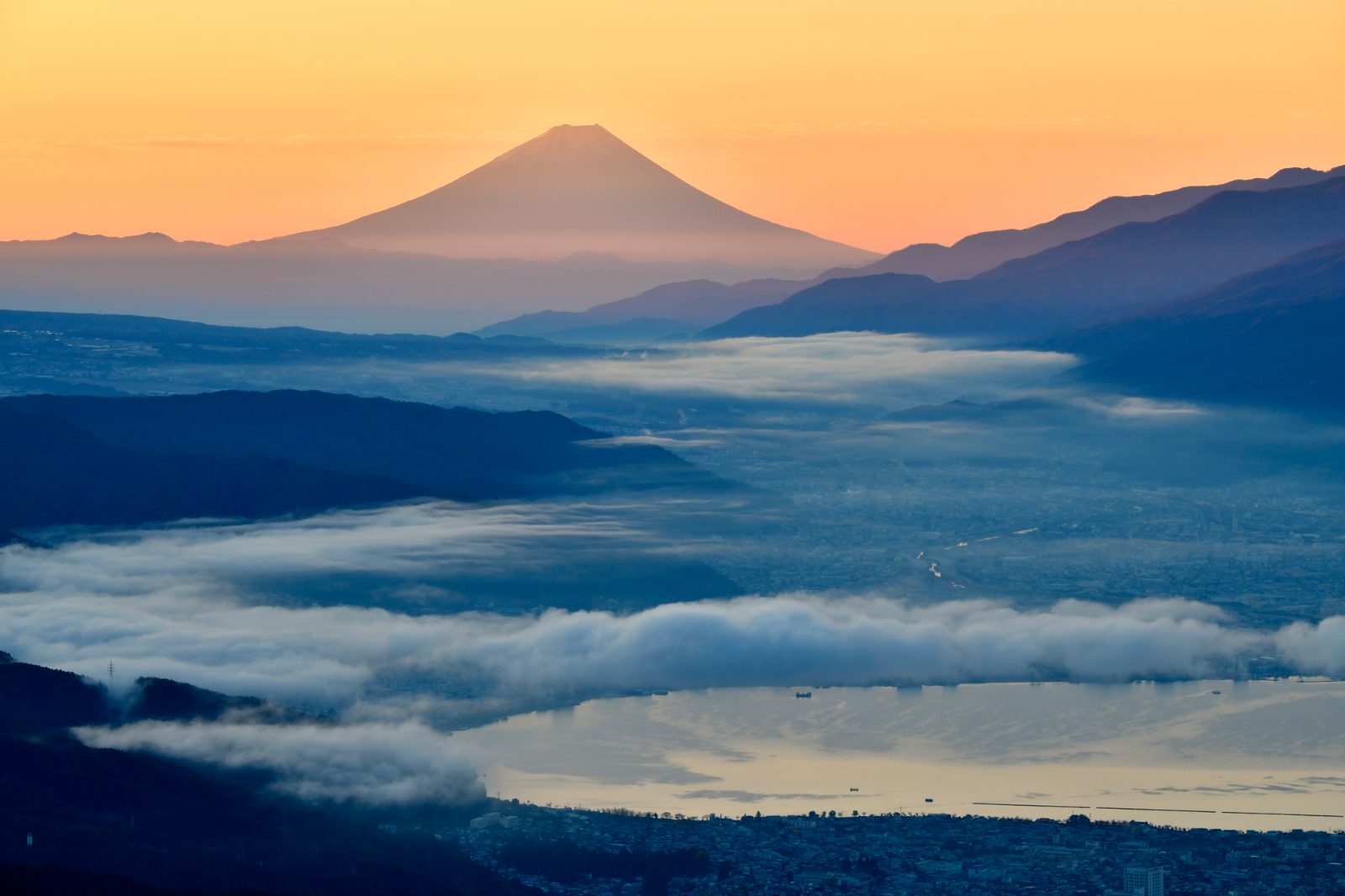
Position your camera toward the valleys to photograph the cloud layer beneath the station elevation.
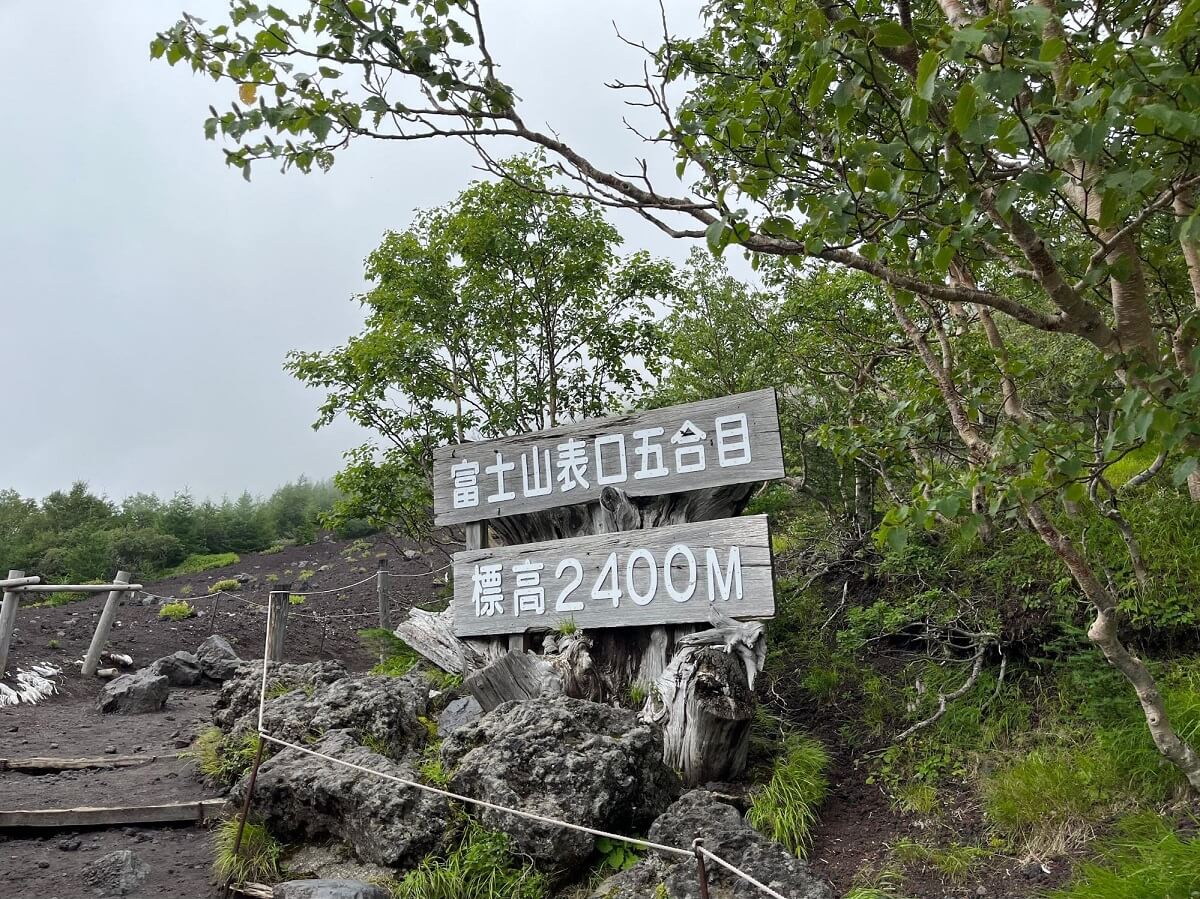
Photograph the iconic wooden gate marking the official start of the climbing path.
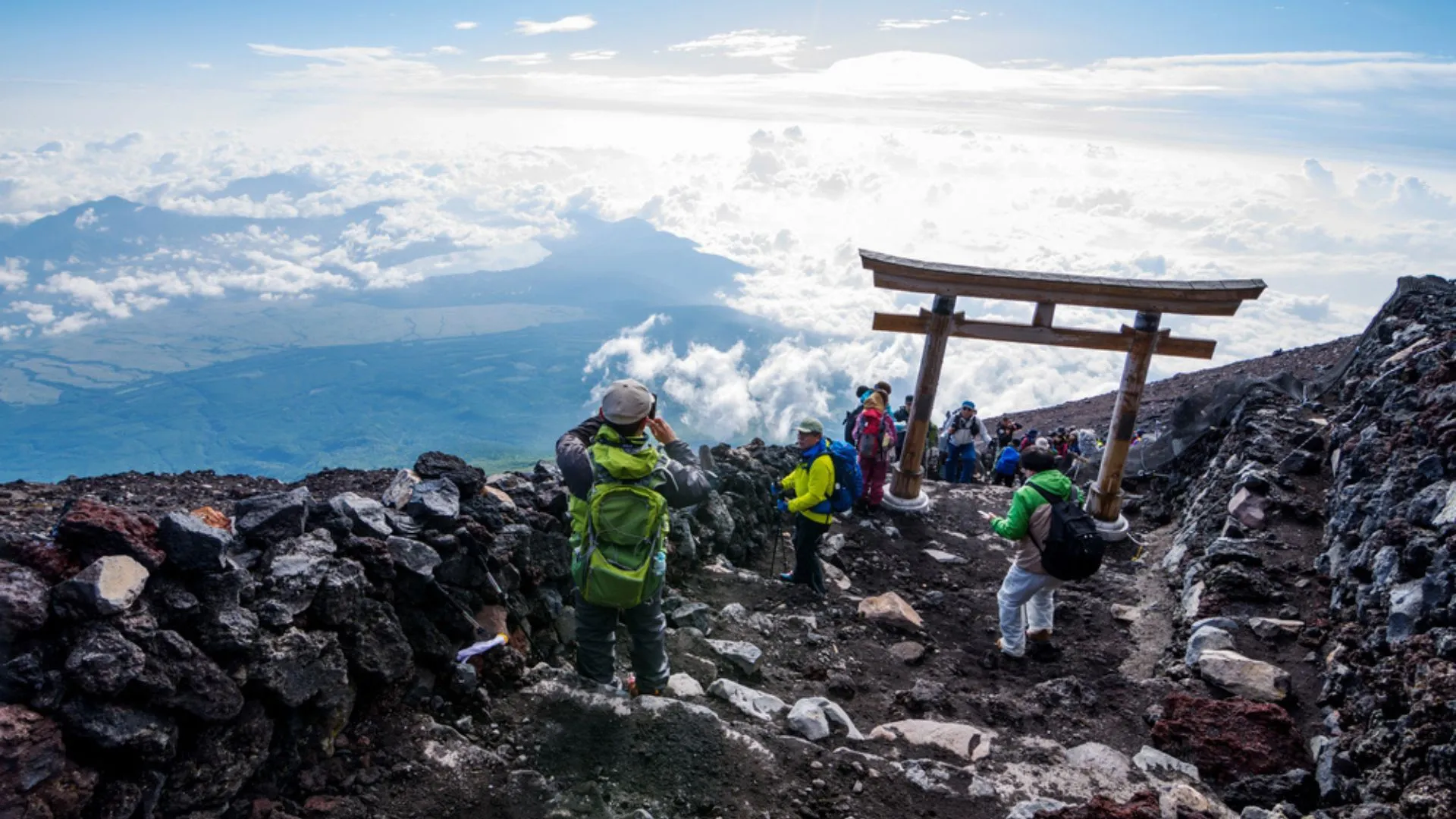
Frame the entrance to the trail with the mountain peak visible in the background.
The Mt. Fuji 5th Station offers a accessible high-altitude experience for families, though visitors should monitor children closely due to rapid elevation changes. Facilities are limited but provide necessary amenities for short visits.
Paved paths around the 5th Station center accommodate strollers, but areas beyond the main plaza are unpaved and steep. Expect uneven volcanic terrain if wandering toward trails.
Children may experience ear pressure or fatigue due to the high elevation. Plan for a shorter visit to allow young bodies time to acclimate.
Mid-range meal options priced at ¥1,000–¥2,000 are available at the station. Carry extra water and snacks, as prices for a local drink start at ¥500.
Layered clothing is necessary even in the July–August peak season. Weather conditions shift rapidly at this altitude, requiring wind-resistant jackets for all family members.
Public restrooms are located at the 5th Station. Use these facilities before departing, as there are no rest stops on the bus transit route back to lower elevations.
5th Station offers a unique mix of attractions, including the historic Komitake Shrine, panoramic observation decks, hiking trailheads, and specialized shops selling exclusive Mt. Fuji souvenirs.
If you prefer relaxing sightseeing, focus on the shrines and observation points. For adventure seekers, explore the Ochudo Trail. Always check the weather forecast, as visibility greatly impacts the experience.
Early morning is generally the best time for clear views of the summit and the clouds below. The summer months (July to September) offer the most accessible weather for exploring outdoor areas.
While the area itself is open, it is highly recommended to book guided tours and bus transportation in advance online to secure your spot, especially during the busy climbing season.
Yes, the main plaza area is paved and relatively flat, making it accessible for families with strollers and wheelchair users, though specific hiking trails are rough and uneven.
The 5th Station area is compact and walkable. You can easily walk between the bus terminal, the shrine, the shops, and the main viewing platforms on foot.
Many travelers use transportation passes that cover round-trip bus fare from Tokyo or Kawaguchiko. There are also tour packages that combine 5th Station visits with nearby lakes or fruit picking.
To avoid the peak crowds, try to arrive before 9:00 AM or visit late in the afternoon. Weekdays are significantly less crowded than weekends and national holidays.
Choose from amazing attractions and create unforgettable memories in this beautiful city
Book Your Experience Now